
Childfree by Choice: When everyone in your life is having kids…
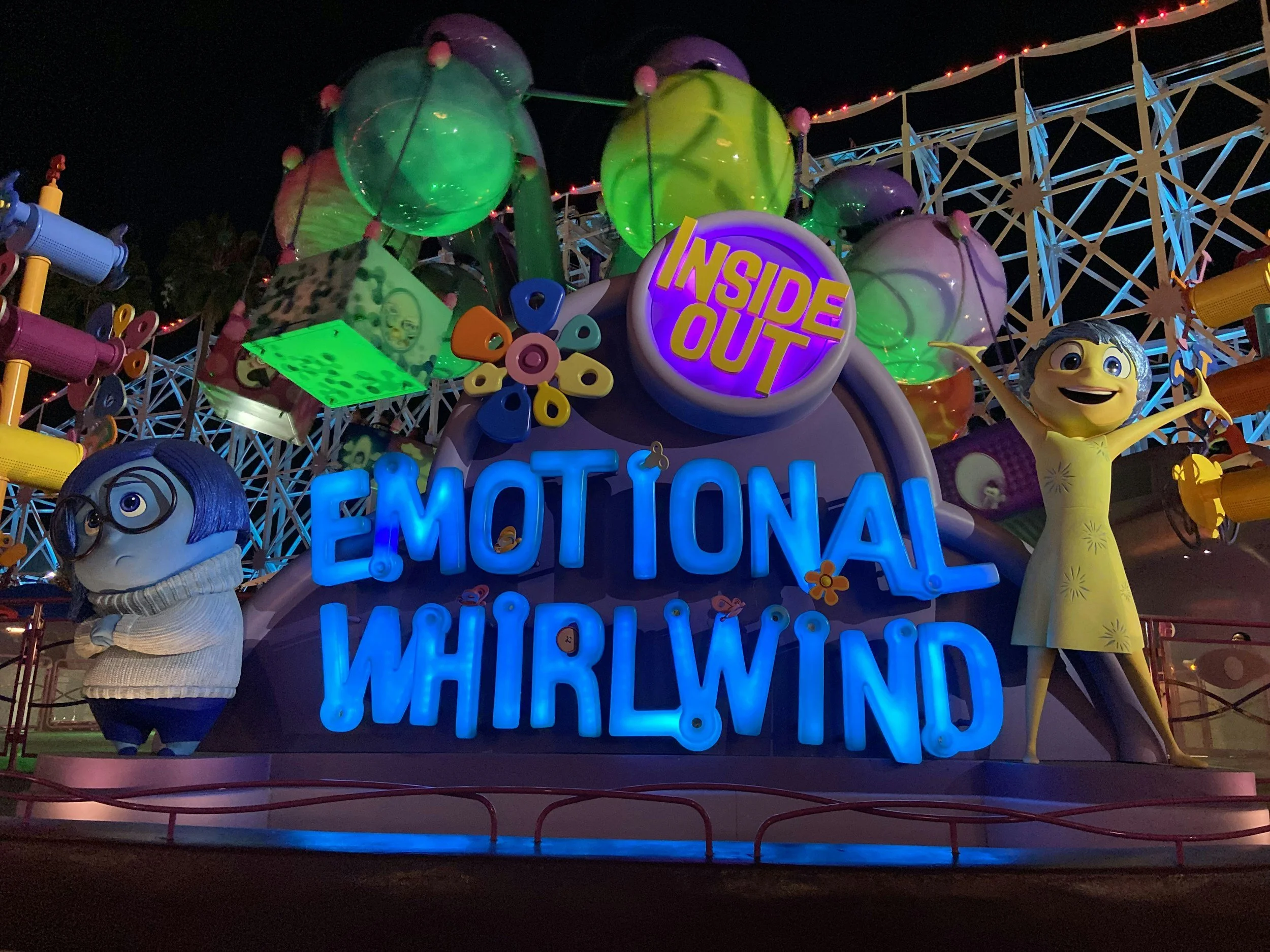
Parts Work (Internal Family Sytems)
Internal Family Systems rests on the belief that there are no bad parts! All parts of us have a positive intention in our lives. You may have part of you that causes you to shut down during conflict, but by doing so prevents you from being able to express your needs. Through understanding these aspects of ourselves better, we can help them heal from the burdens they carry.

Adult Children of Emotionally Immature Parents
Many of us grew up in a home where although our basic needs may have been met, we felt lonely, insecure, or unseen. Perhaps our parents struggled with depression, anger, or addiction, and their ability to show up for us emotionally was inconsistent or non-existent. While these experiences are often subtle and hard to put words to, they shape how we think about ourselves and how we try to connect with the people in our lives.
Skills that we will build upon together include:
Understand how growing up with parents who struggle with emotional maturity and/or narcissism have impacted how you see yourself, how you feel, and how you show up in the world
Identify the hallmark signs of emotional maturity versus emotional immaturity and understand the spectrum that falls on
Get clear on your values and how to set boundaries in relationships to maintain healthy connections with others
Review specific skills to set boundaries with difficult people in your life

Anxiety
Together, we will develop a thorough understanding of how you experience anxiety, why it shows up in your life, and what you would like to be different about it. We will look at numerous hands on tools that you can use in the moment to regulate your nervous system, as well as gain a more in depth understanding of how your anxiety may be connected to key experiences and relationships in your past.
In therapy, you will learn how to:
Clearly identify different ways your anxiety shows up: somatically, cognitively, and emotionally.
Increase your capacity to tolerate feelings of anxiety and discomfort and turn toward them rather than push them away.
Build a strong base of coping skills to help regulate your nervous system (i.e., safe place imagery, grounding skills, etc).
Focus more on the stressful aspects of your life you can control and build acceptance around the parts you cannot.