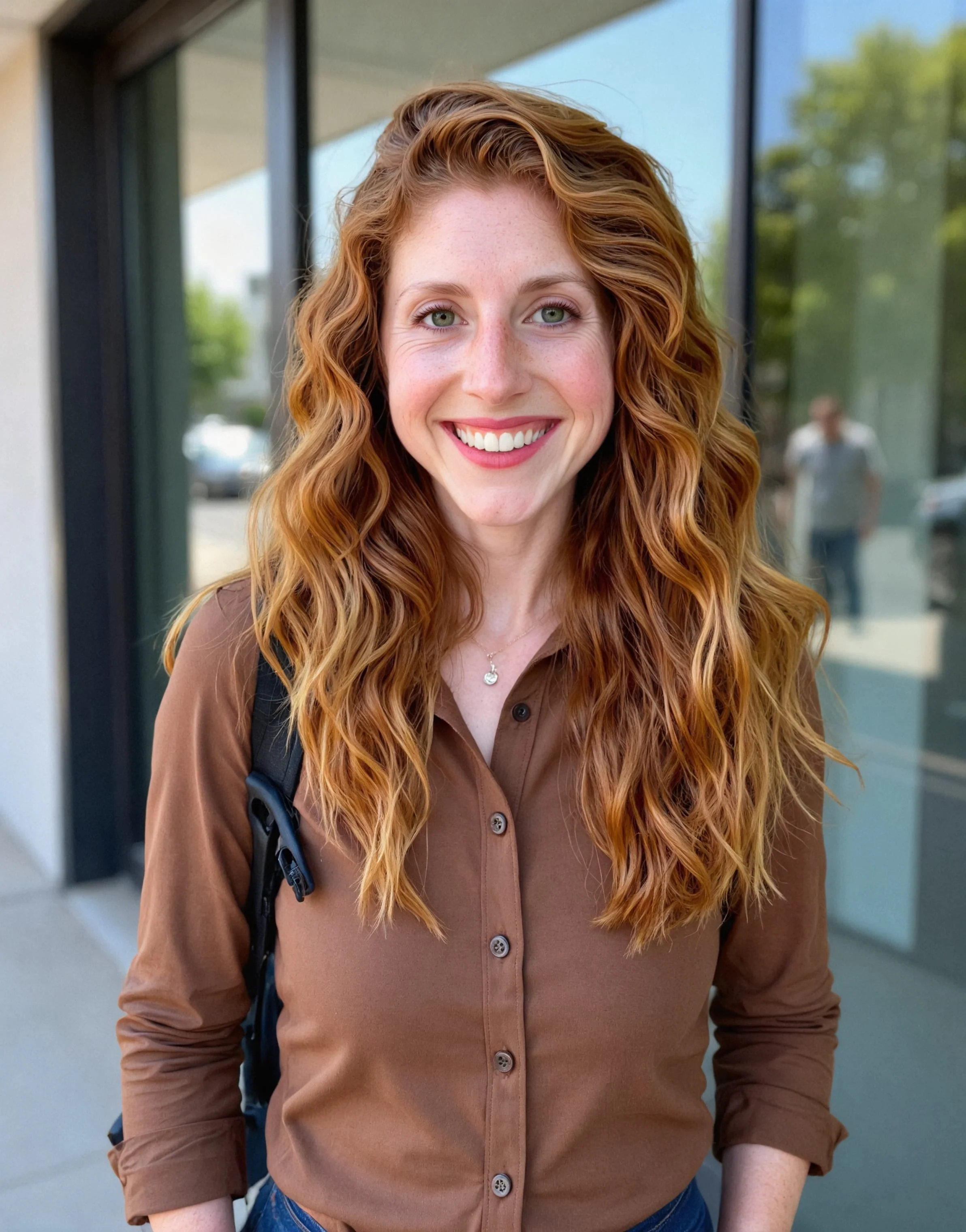
Meet Dr. Rayna Harris
I find that my clients are looking for specific tools to help them navigate difficult situations, such as reducing anxious thinking, managing depression, coping with trauma-related symptoms, setting boundaries in relationships, or building confidence in themselves. I have extensive experience teaching honed-in skills in these areas to best meet the specific needs of my clients. Additionally, I encourage my clients to take risks that allow them to have new experiences and challenge beliefs that may be holding them back from reaching their goals.
A meaningful focus of my work is supporting adults who are navigating complex relationships with emotionally immature parents. These experiences can exist on a wide spectrum, from narcissistic traits to challenges related to emotional attunement or mental illness. Together, we explore how these relationships have shaped you, clarify what feels realistic and healthy moving forward, and develop boundaries that support greater autonomy, self-trust, and emotional freedom.
Further work in this area may include understanding the impact that growing up with an emotionally immature parent has had, and how to gain freedom from feelings or beliefs that prevent oneself from feeling like they are in charge of their own lives.
Credentials:
Internal Family Systems Level 1 Training Program - 91 hours of training provided by the IFS Institute
Dr. Lindsay Gibson’s 3-Month Online Certificate Program on Treating Adult Children of Emotionally Immature Parents
American Association of Sexuality Educators, Counselors and Therapists - completed 75 CEU hours toward AASECT sex therapy certification
PhD in Clinical Psychology, the Wright Institute, 2016
Bachelor’s degree in Psychology, University of California, Santa Cruz

My style
My style is inviting, warm, and authentic. I believe that maintaining a strong, empathic relationship is essential to creating a space that allows for creativity and growth.
My approach draws heavily from the Internal Family Systems (IFS) model, otherwise known as “parts work”. This model rests on the belief that we all have different aspects of ourselves that make up our personality and and drive our behavior, such as perfectionistic parts, the inner critic, socially anxious parts, parts that procrastinate, or parts that are pulled toward addiction. While many of us tend to push away the parts of us that we don’t like, they continue to impact our lives in ways that may or may not feel helpful.
IFS teaches us how to access our core “self”, the part of ourselves that is wise, confident, compassionate, and innately capable of healing. With greater access to the “self”, you will be able to develop a trusting relationship with all of your parts to help them find balance within your system and pull away from less extreme roles that may not be serving you.
Outside of therapy, I enjoy running, spending time outdoors, writing, singing, and spending time with my dog.

My clinical training
My dissertation focused on the lived experience of adults who grew up with a parent diagnosed with bipolar disorder, a topic that continues to inform and deepen my work. My clinical training includes work in community mental health clinics, hospital settings, and integrated care environments.
Throughout my training I have worked in a variety of settings including homeless shelters, community mental health clinics in the Berkeley and Haight Ashbury areas, and county hospitals.
I completed my pre-doctoral internship at the Integrated Health Psychology Training Program at Martinez County Hospital, during which I worked closely with primary care physicians and psychiatrists to provide integrative and collaborative care for clients. In addition to providing brief, solution-focused treatment and exam-room consultations, I co-led a Seeking Safety Group for individuals coping with trauma and substance abuse.
I completed my post-doctoral residency at Kaiser Permanente - Adult Psychiatry, Vallejo, during which I provided a combination of brief and long-term treatment in the psychiatry department. I additionally co-lead a Bipolar Support and Skills Group, a Social Anxiety Group, and participated in an Intensive Outpatient Program rotation. A large focus of my training in these settings also focused on testing, during which I developed strong skills in conducing both neuropsychological and psycho-diagnostic assessments (i.e., helping individuals with diagnostic clarification and treatment planning). Through my work at the Martinez County Hospital and Kaiser Permanente Medical Center, I have a strong foundation in treating individuals from a bio-psycho-social perspective.